In the fast-paced, high-pressure environment of the digital age, finding inner peace has become an essential need for everyone. Meditation is not merely a spiritual practice; it is an evidence-based discipline that enhances both physical and mental well-being. In this article, we will explore the remarkable benefits of meditation and how you can begin practicing effectively today.
1. What Is Meditation?
Meditation is the practice of training the mind to achieve focus, stillness, and heightened awareness. Rather than letting a stream of thoughts carry you away endlessly, meditation teaches you to observe them objectively without judgment.
There are various styles of meditation, ranging from mindfulness meditation and loving-kindness meditation to movement-based practices like Yoga and Tai Chi. Regardless of the approach, the core objective remains the same: anchoring your mind in the present moment.
2. Proven Health Benefits of Meditation
Modern science has documented numerous practical benefits of meditation for both the brain and the body:
- Reduces stress and anxiety: Meditation lowers levels of cortisol, the primary stress hormone, allowing the nervous system to enter a state of deep relaxation.
- Improves focus and memory: Practicing mental focus strengthens neural connections, enhancing concentration and memory retention in daily work and life.
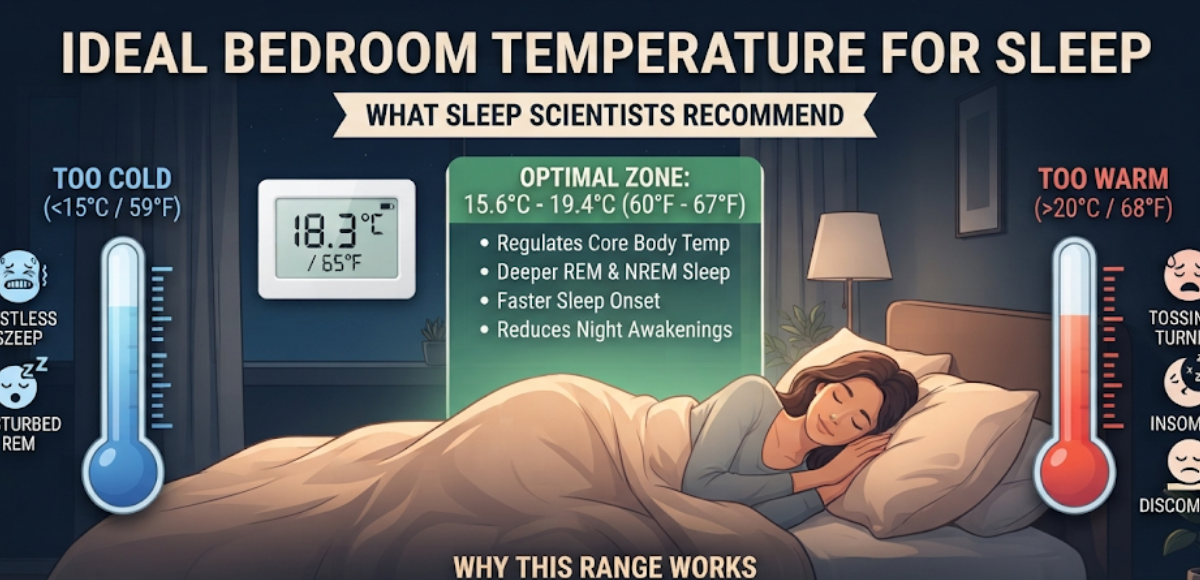
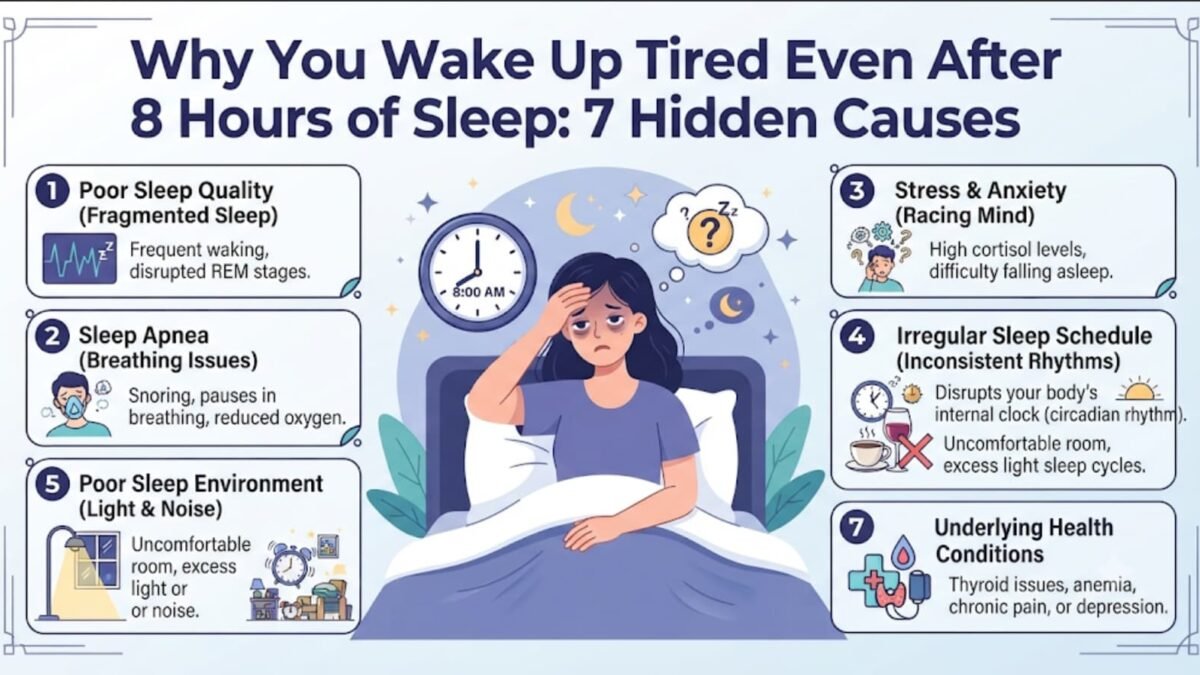
- Enhances sleep quality: Calming the mind before bedtime helps alleviate insomnia and promotes deeper, more restorative sleep.
- Boosts the immune system: The restorative state achieved through meditation helps the body recover energy and strengthens overall immune resilience.
3. A Simple Step-by-Step Guide for Beginners
You don’t need to be an expert or dedicate hours a day to get started. Try incorporating these simple steps into your daily routine:
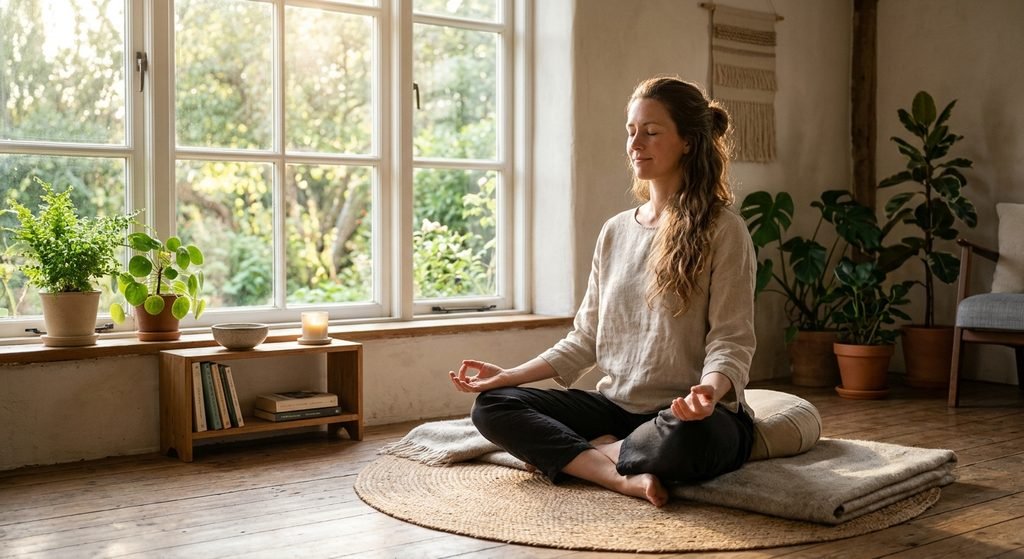
- Choose a quiet space: Find a comfortable, well-ventilated spot with minimal noise and distractions.
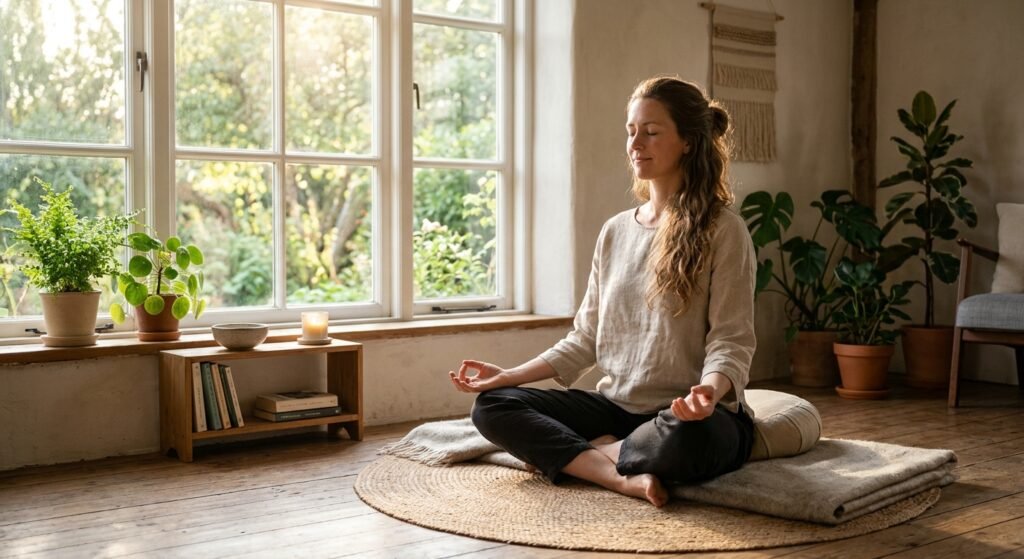
- Adopt a comfortable posture: Sit cross-legged on a cushion or upright in a chair with your spine naturally straight and your hands resting gently on your knees.
- Focus on your breath: Gently close your eyes and bring your full attention to your inhales and exhales, noticing the sensation of air moving through your nostrils.
- Gently redirect your mind: Whenever your thoughts wander to work or daily tasks, simply acknowledge the distraction without self-judgment and guide your focus back to your breath.